The 8th International Conference on Advanced Nanoparticle Generation and Excitation by Lasers in Liquids (ANGEL)

Castellón, Spain

May 24th – 28th, 2026
Abstract Submission Deadline

February 2nd 2026

ANGEL is the main international conference dedicated to the synthesis of nanoparticles and nanomaterials via laser ablation and processing in liquid environments. It brings together researchers involved in experimental, theoretical, and computational investigations in the broad field of laser–materials interactions in liquids. A hallmark of ANGEL meetings is the strong international participation and the dynamic interdisciplinary dialogue they foster. The conference offers a platform for presenting both application-oriented research and fundamental studies related to the mechanisms of laser synthesis and processing of nanoparticles, as well as the use of laser-generated particles in catalysis, energy conversion, additive manufacturing, or optics.


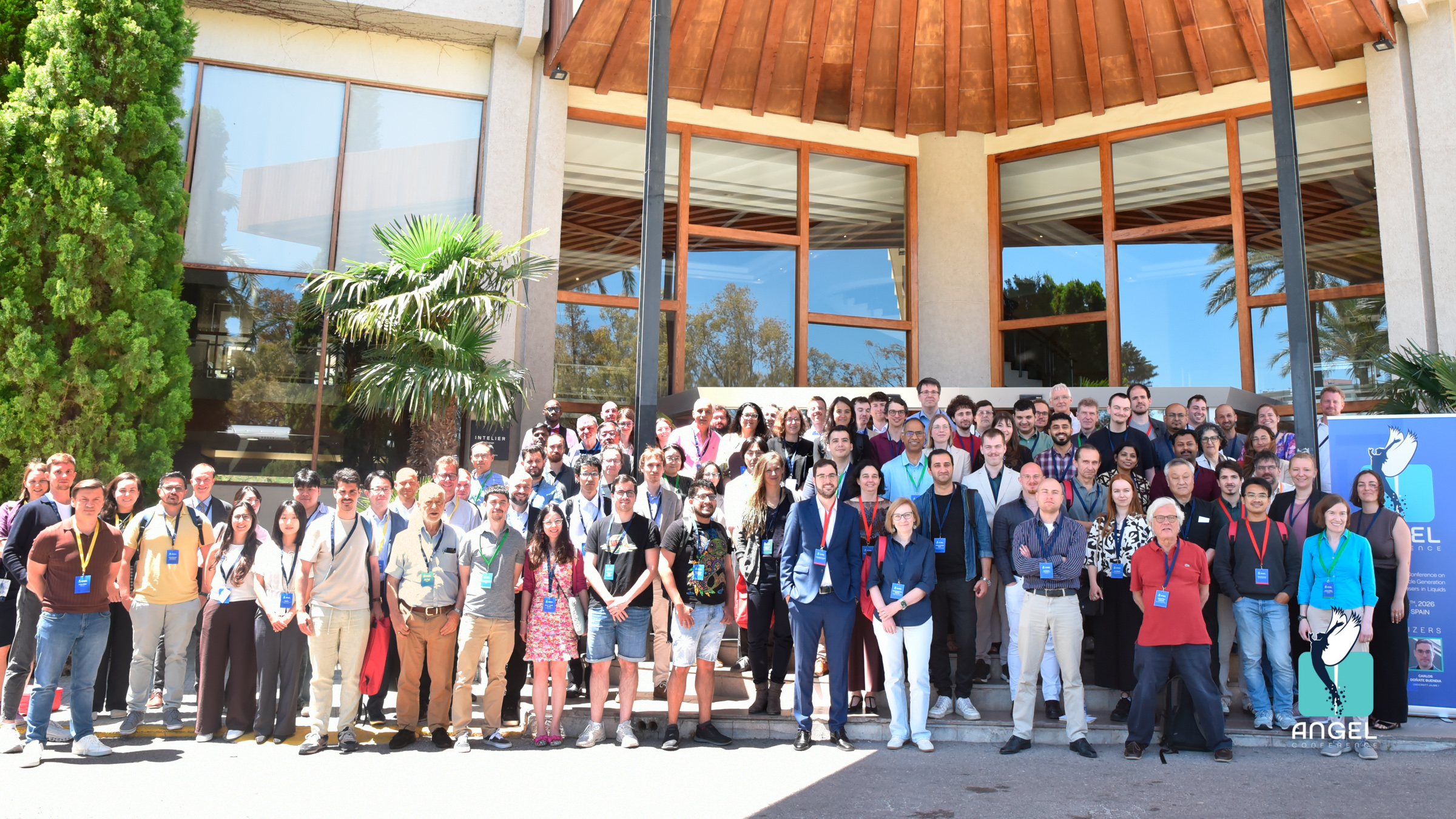
The most recent ANGEL conference was held at the end of May of 2024, making its debut in the United States. The conference brought together 92 participants from 14 countries and 4 continents, who joined scientific discussions of fundamental mechanisms and practical aspects of laser synthesis and processing of nanoparticles. The program included a pre-conference tutorial and 4 days of oral and poster sessions. Conference participants contributed to Special Issues at the journal ofPhysical Chemistry C and Beilstein Journal of Nanotechnology. The conference continued the tradition initiated at the 2010 Conference in Engelberg, Switzerland, and strengthened at successive meetings in Taormina (Sicily, Italy) in 2012Matsuyama-shi (Japan) in 2014Essen (Germany) in 2016Lyon (France) in 2018, and Hefei (China) in 2021.


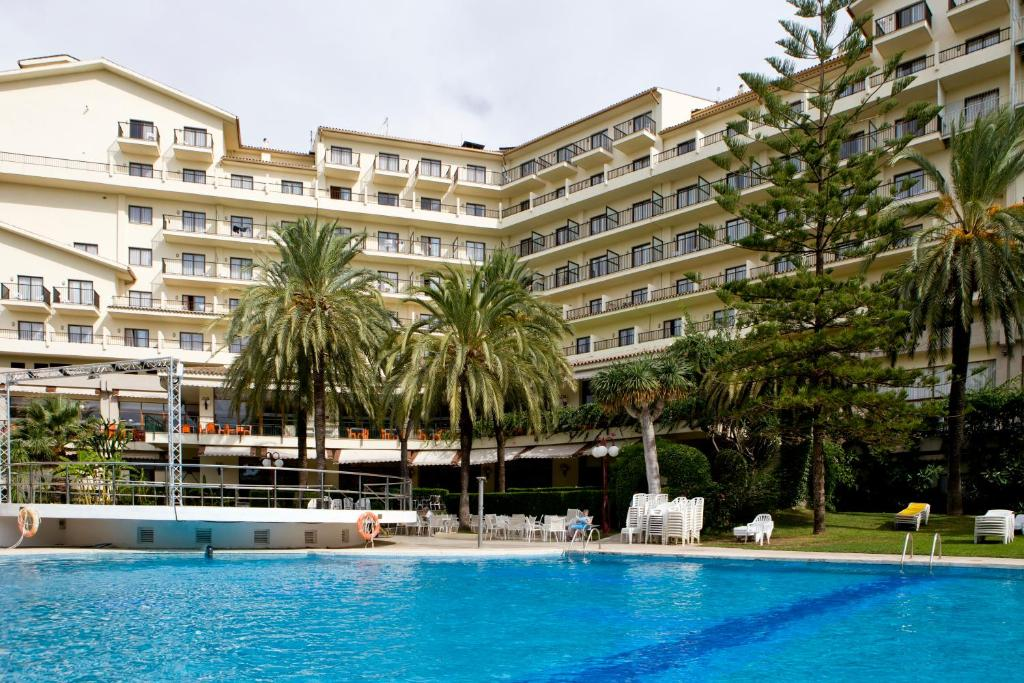
ANGEL 2026 will be held from 24th to 28th of May in Castellón, Spain, welcoming the international laser processing in liquid community to join a lively scientific event promoting scientific discussion at the Intelier Orange hotel presentation hall and recreation areas with your peers,  offering special reduced accommodation rates and including lunch and gala dinner within the registration costs. Submit your abstract, register before the early bird date on March 16th and join the laser processing in liquid community in a unique landscape

Early Registration Deadline

March 16th 2026

Abstract Submission Deadline

February 2nd 2026

Scientific Program

March 9th 2026

Registration Process for New Users

1

Create Account

First, create your user profile.

Sign Up Here
2

Conference Registration

Select your participant group (e.g., Student, Professional) and complete the purchase. You may choose "Pay Later" to finalize.

Registration Fees

SCHEDULE

Time Session
09:00 – 10:00 Alfred Vogel
Laser ablation in liquids fundamentals and cavitation bubble influence on the process
10:00 – 11:00 Bilal Gökce
Pulsed laser ablation in liquids: from characterization to productivity
11:00 – 11:30 Coffee Break
11:30 – 12:30 Francis Rey Cortes
Laser processing in liquids: melting, fragmentation and functional nanomaterials
12:30 – 13:00 ANGELA
12:30 – 14:00 Lunch
14:00 – 15:00 Leonid Zhigiliei
Modelling of laser-matter interaction
15:00 – 18:30 Sergio Molina-Prados
Practical workshop: Arduino based colloidal concentration sensor
19:00 – 21:00 Welcome Reception

The tutorial aims to provide a general overview of pulsed laser processing in liquids technologies from the fundamentals and modelling of the processes to production upscale and the application of the generated nanomaterials. The sessions are structured to offer a comprehensive entrance to the laser processing in liquids community while covering more advanced topics during the development of the talks and in the discussion sessions. Prof. Alfred Vogel’s talk will cover the fundamentals of laser ablation in liquids from the initial laser-matter interaction until bubble dynamic evolution and its influence on the generated nanomaterials. Prof. Bilal Gökce will explain the nanoparticle characterization techniques and strategies to upscale nanoparticle production. Dr. Francis Rey Cortes will provide an overview of laser melting and fragmentation in liquids towards the preparation of functional bio and optical nanomaterials. Before lunch the attendees will have the chance to meet and talk with one of the most recent members of the laser processing in liquids community, ANGELA. The last talk by Prof. Leonid Zhigilei will deepen in the light-matter processes that rule laser ablation, melting and fragmentation in liquids, with a special focus on the modeling approaches to understand such interactions. Last but not least, the attendees will have the chance to build, calibrate, and take back home their gold colloidal concentration sensor in a workshop guided by Sergio Molina-Prados with all the material included. Do not miss the oportunity to bring back to your lab your next characterization device as a gift from ANGEL 2026 in Castellón.

Conference Topics

The conference provides a forum for sharing the results of experimental, theoretical, and computational investigations in the general area of laser-materials interaction in liquids. The topics of the conference include, but are not limited to:
Fundamentals of laser-material interactions in liquids
  • Experimental spatial and temporal-resolved probing 
  • Simulation and modelling of laser-material interaction in liquid and nanoparticle formation
  • Defect, size, and ligand engineering on nanoparticle electron-phonon, optical and chemical response
  • Laser-mater in liquid process engineering for production upscale
Developments in laser-based nanoparticle synthesis and processing in liquids:
  • Laser ablation of bulk targets, thin films and multilayered materials
  • Laser melting and fragmentation of nanoparticles and microparticles
  • Laser reductive particle synthesis
  • Novel materials such as high entropy alloys, max phases, or integration of nanoparticles in advanced nanocomposite materials
Applications of laser-generated nanoparticles and nanocomposites including but not limited to: 
  • Catalysis
  • Energy conversion
  • Additive manufacturing
  • Biomedicine
  • Sensing
  • Optics

Pre-conference Tutorial: Sunday, May 26, UVA Rotunda, Lower West Oval Room and Multipurpose Room

The tutorial was conducted by:

Prof. Vincenzo Amendola
University of Padova, Italy
Prof. Stephan Barcikowski
University Duisburg-Essen
Dr. Friedrich Waag
University Duisburg-Essen, Germany

Schedule of the Tutorial

9:00: Registration and breakfast
9:30Welcome by Conference Chairs (Tibbetts and Zhigilei)
9:40Outline of the tutorial (Barcikowski)
9:45Optimal laser and processing strategies for ablation, fragmentation, and melting (Barcikowski)
11:15Unique nanoparticle properties and functionalities accessible by laser synthesis and processing of colloids (Amendola)
12:45Lunch break and preparation for Science Slam (with brief Tips and Tricks from Friedrich Waag)
13:45Science Slam (2 min oral pitch talk from each student) (Waag)
14:45Practical course and demonstration of automated laser synthesis (Waag)
16:15Discussion: Matching study design with unique goals of the project (Amendola, Barcikowski, Waag)
16:45Wrap-up, flashback-round
17:30ANGEL Welcome Reception (The Dome Room of the UVA Rotunda)

Search the Proceedings

Find information on the conference contributions

Proceedings

Organizers

University Jaume I, Castellón, Spain Professor Gladys Mínguez Vega
University Jaume I, Castellón, Spain Junior Prof. Carlos Doñate Buendia

Invited Speakers

 Complutense University of Madrid  Dr. Guillermo González Rubio 
Technical University of Liberec Professor Rafael Torres-Mendieta 
Virginia Commonwealth University Professor Katharine Moore Tibbetts 
Institute for photonics and nanotechnologies (CNR-IFN)- Italy Professor Marcella Dell’Aglio
Gyeongsang National University, South Korea Professor Myong Yong Choi 
Autonomous University of Nuevo Leon (UANL) 
Mexico
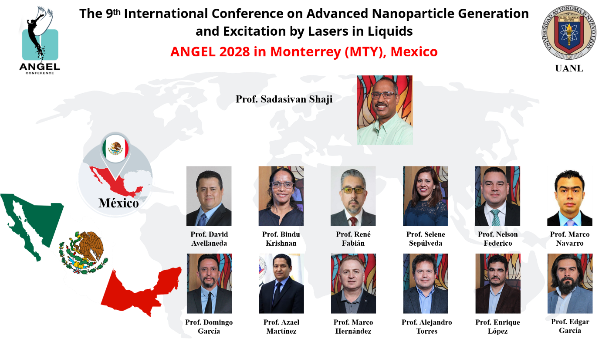
Professor Sadasivan Shaji  
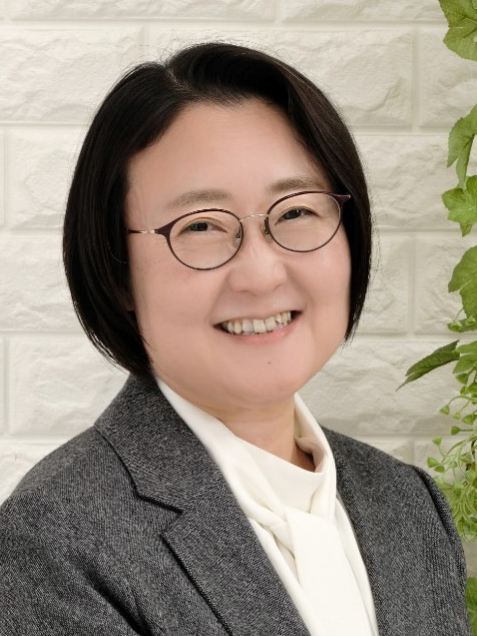
National Institute of Advanced Industrial Science and Technology (AIST) Professor Yoshie Ishikawa  
Sun Yat-sen University Professor Bo Yan  
Karlsruhe Institute of Technology Dr. Anton Plech 

Local Organizing Committee:
Universidad Complutense de Madrid Andrés Guerrero Martínez
Universidad Complutense de Madrid Guillermo González Rubio
Universidad de Cádiz Oscar Bomati-Miguel
Instituto de ciencias de materiales de Aragón Ruth Lahoz
Universidad de Vigo Juan M. Pou
CSIC Rebeca de Nalda
CSIC Esther Rebollar
BiomaGUNE Luis Liz Marzán
UJI Leonor Hernández López
Universidad de Vigo Mohamed Boutinguiza Larosi

Program Committee:

University of Padova, Italy Vincenzo Amendola
Ehime University, Japan Tsuyoshi Asahi
University of Duisburg-Essen, Germany Stephan Barcikowski
University of Catania, Italy Giuseppe Compagnini
Hokkaido University, Japan Naoto Koshizaki
University of Tokyo, Japan Fumitaka Mafune
National Academy of Sciences of Belarus, Belarus Nikolai Tarasenko
Virginia Commonwealth University, USA Katharine Tibbetts

International Advisory Board:
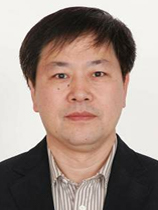
Claude Bernard University Lyon 1, France David Amans
Hefei Institutes of Physical Science, China Weiping Cai
Illuminus, Inc., Japan Takahiro Nakamura
Shimane University, Japan Takeshi Tsuji
Sun Yat-Sen University, China Guowei Yang
Hellas (FORTH), Crete, Greece Emmanuel Stratakis
Ulster University, Belfast, UK Natalie Tarasenka
Osaka University, Japan Hiroshi Yoshikawa
University of Duisburg-Essen, Germany Anna Ziefuß

Intelier Orange

Sponsors